
Social media marketing is constantly evolving and businesses need to stay up-to-date with the latest trends if they want to stay competitive. In the first half of 2023, there are several social media marketing trends that businesses should be aware of.

Before we proceed, let’s define “trend.” trend refers to popular content on social media channels at a specific time. Social media trends refer to the dynamic behaviors and subjects that are widely discussed on social media.
Trends are fleeting forms of content that quickly gain attention and spread across various social media platforms. They come in different forms such as topics of discussion, memes, short videos, and challenges.
It’s crucial to stay up-to-date with trends as they are constantly changing in order to produce content that resonates with your target audience.
1. The Rise of TikTok and How to Leverage it for Your Business
The rise of TikTok: TikTok is a social media platform that allows users to create and share short videos with a variety of effects and filters. It has quickly become one of the most popular social media platforms among younger users, and businesses should consider creating content for TikTok to reach this demographic. This can include creating short, fun videos that showcase your products or services or partnering with TikTok influencers to reach a wider audience. It’s also important to keep in mind that TikTok has its own unique features such as the “duet” feature that allows users to create videos with other users, and the use of “hashtags” and “sounds” that can make your videos more discoverable.
“65% of TikTok users say they always rely on online reviews and creator recommendations to decide what to buy online.” – Source: TikTok Marketing Science Global Creators Drive Commerce Study, 2022, conducted by Material
According to TikTok’s “What’s Next 2023 Trend Report”, the focus for the coming year will be on Actionable Entertainment, Making Space For Joy, and Community-Built Ideals. These shifts will affect how marketers connect with their target audiences. Learn more about these focus points and how to enhance your marketing strategy by clicking the link above.

// Fun Fact: TikTok is increasingly being used as a search engine. In fact, according to an NBC News report, approximately 40% of Gen Z search on social media platforms such as TikTok and Instagram rather than Google. //
2. The Importance of Micro-Influencers in Social Media Marketing
What is influencer marketing? Influencer marketing is a form of marketing in which brands partner with individuals who have a significant following on social media platforms, such as Instagram or YouTube, to promote their products or services.
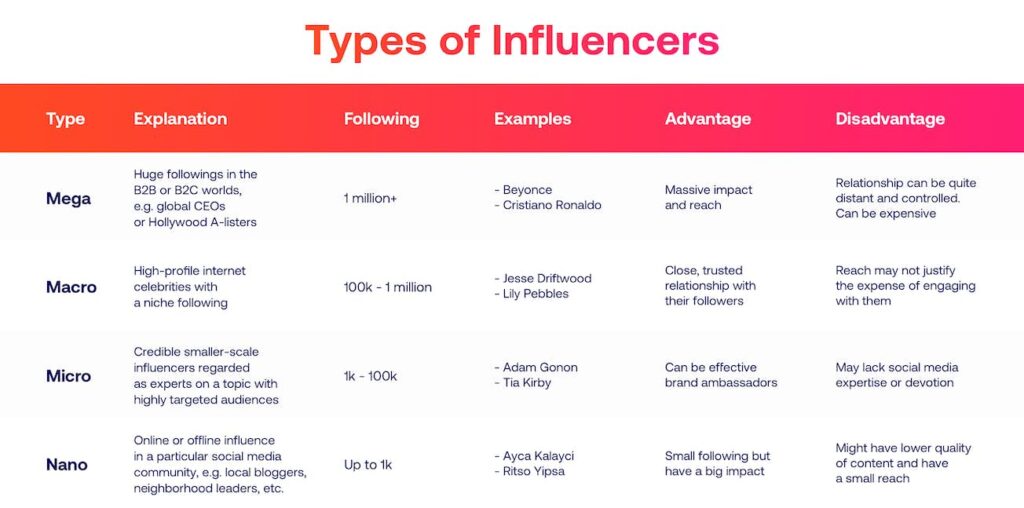
More than 90% of consumers engage with influencers on a weekly basis on platforms such as Instagram, YouTube, and TikTok. – (Statista)
The importance of micro-influencers: Micro-influencers, or influencers with a smaller following, are becoming more and more important in social media marketing. They have a more engaged and targeted audience, and can often be more cost effective than working with larger influencers. Micro-influencers are more relatable to their followers and can provide more authentic and genuine recommendations. They are also more likely to be experts in a specific niche, which can make them more effective at reaching a specific target audience.
Here are 5 examples of campaigns that have used micro-influencers in different ways:
- To promote a new line of clothing, Truworths South Africa partnered with a group of micro-influencers who specialize in fashion content to create a series of lookbooks and fashion videos that showcased the clothing in different scenarios and moods.
- To promote a new line of skincare products, Nivea South Africa partnered with micro-influencers who specialize in beauty content to create a series of product reviews and tutorials showcasing the effectiveness of their products on different skin types.
- To promote a new line of sports equipment, Adidas South Africa partnered with micro-influencers who specialize in fitness and wellness content to create a series of workout videos that showcased the equipment in action.
- To promote a new line of car models, BMW South Africa partnered with micro-influencers who specialize in automotive content to create a series of videos that showcased the cars’ advanced technology and sleek design.
- To promote a new line of food products, Nestle South Africa partnered with micro-influencers who specialize in cooking and food content to create a series of videos that showcased how to prepare delicious meals using their products.
These are just a few examples of how brands have used micro-influencers in creative and engaging ways in the South African context to promote their products and services. The key is to identify the influencers who have a strong following within your target market and to collaborate with them to create unique and engaging content that will resonate with their audience3

3. The Dominance of Video Content: How to Create Engaging Videos
Video content will continue to dominate: Video content, such as live streams and short videos, will continue to be a major trend in social media marketing. This type of content is more engaging and interactive than text or images, and it can help businesses build a stronger connection with their audience. Live streaming is a great way to create a sense of immediacy and give your audience a behind-the-scenes look at your business, while short videos can be used to showcase your products or services.

5 Innovative and Creative Ways Brands Have Used Video Content in South Africa’s Marketing Campaigns:
- To promote their new mobile banking app, Standard Bank South Africa created a series of comedic skits that showcased the convenience and ease of use of the app in relatable everyday situations.
- To promote their new line of fashion and accessories, Woolworths South Africa partnered with a group of fashion bloggers to create a series of style videos that showcased the clothing in real-world settings and offered styling tips.
- To promote a new line of energy-efficient appliances, Eskom, the South African national electricity company, created a series of short films that highlighted the potential cost savings and environmental benefits of using these appliances.
- To promote a new line of sports equipment, Puma South Africa created a series of short films featuring local athletes and sports teams using the equipment in action.
- To promote a new line of home goods, Pick n Pay South Africa created a series of cooking videos featuring local chefs and food bloggers showcasing how to prepare delicious meals using their products.
These are just a few examples of how brands have used video content in creative and engaging ways in the South African context to promote their products and services. The key is to think outside the box and come up with ways to showcase your products in unexpected and interesting ways that will capture the audience’s attention and relate to their context.

4. Interactive Content: How to Engage and Gather Information from Your Audience
Interactive content will increase in popularity: Interactive content, such as polls, quizzes, and surveys, can be a great way to engage with your audience and gather valuable information. This type of content can be used to gather feedback from your audience, run promotions and contests, or to simply entertain your followers. Interactive content can also be used to segment your audience and target them with personalized messaging.

5 Innovative and Creative Ways Brands Have Used Interactive Content in South Africa’s Marketing Campaigns:
- To promote a new line of clothing, Cotton On South Africa created an interactive quiz on social media that allowed users to discover their personal style and find clothing recommendations based on their answers.
- To promote a new line of home goods, HomeChoice South Africa created an interactive room design tool that allowed users to create virtual versions of their rooms and experiment with different furniture and decor options.
- To promote a new line of car models, Toyota South Africa created an interactive augmented reality experience that allowed users to explore the car’s features and capabilities in an immersive way.
- To promote a new line of financial services, Capitec Bank South Africa created an interactive budgeting tool that allowed users to input their income and expenses and receive personalized recommendations on how to improve their finances.
- To promote a new line of food products, Nestle South Africa created an interactive recipe generator that allowed users to input the ingredients they had on hand and receive personalized recipe recommendations based on their choices.
These are a few examples of how businesses can and have used interactive content in more innovative and creative ways to engage their audiences and gather valuable information while entertaining them.

5. The Role of Chatbots and AI in Automating Customer Service
The use of chatbots and AI: They can be used to respond to customer inquiries, provide personalized recommendations, and even place orders. This allows businesses to save time and resources while providing a better customer experience. AI can also be used to analyze data and create personalized marketing campaigns.

Here are 5 Unique Ways Companies Can Use Chatbots and AI to Automate Customer Service:
- By using natural language processing (NLP) and machine learning, companies can create chatbots that can understand and respond to customer queries in a human-like manner, allowing them to provide 24/7 customer support.
- Companies can use chatbots to triage customer inquiries, routing them to the appropriate human agent based on the complexity of the issue. This allows customer service agents to focus on more complex issues and improves efficiency.
- Companies can use chatbots to gather customer feedback and use that data to improve their products and services. Chatbots can ask customers to rate their satisfaction with a recent interaction, provide feedback on a product, or take a survey.
- Companies can use chatbots to personalize customer interactions by using data on their previous interactions, purchase history, and preferences. Chatbots can provide product recommendations based on previous purchases, or offer discounts on products a customer has shown interest in.
- Companies can use chatbots to automate routine tasks such as account management, password resets, and account updates, freeing up human agents to focus on more complex issues. Chatbots can also be used to provide customers with information on shipping, tracking, and other logistics-related queries.
These examples show how companies can use chatbots and AI to automate customer service in unique and innovative ways to improve customer experience, increase efficiency, and gain valuable insights from customer interactions.
6. Social Commerce: Utilizing Social Media Platforms to Sell Directly to Customers
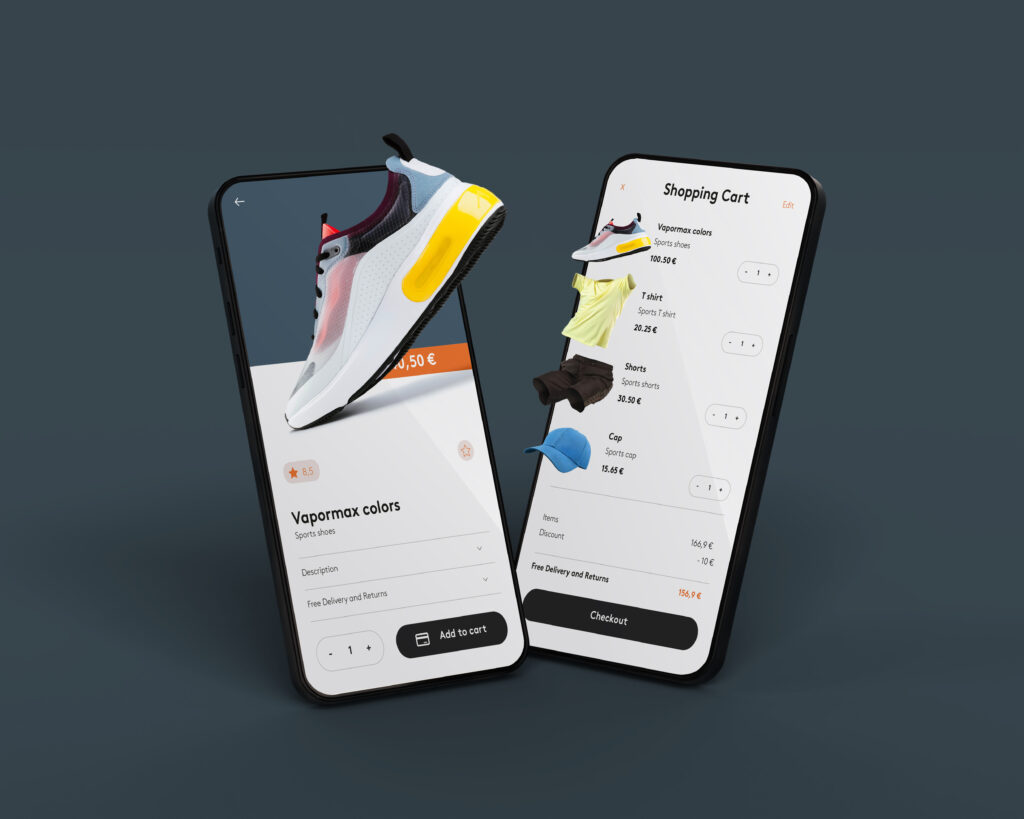
The role of social commerce: Social media platforms are becoming more and more focused on e-commerce, and businesses should take advantage of this trend by using platforms like Instagram and Facebook to sell their products directly to customers. This can be done through features such as Instagram shopping, Facebook marketplace, and shoppable posts. This allows businesses to reach their target audience where they are already spending their time and make purchasing easy by eliminating the need to leave the social media platform.

5 Ways Companies Can Utilize Social Commerce by Using Social Media Platforms to Sell Directly to Customers:
- Instagram’s shoppable posts feature can be used to sell products directly on the platform. This allows customers to view products, read reviews, and make a purchase without leaving the app.
- Facebook Live can be used to showcase products and offer exclusive deals to viewers. This creates a sense of urgency and exclusivity, encouraging customers to make a purchase.
- TikTok’s shoppable live-stream feature can be used to sell products directly to customers in real-time. This allows customers to ask questions and make purchase requests during the live-stream, increasing the chances of a sale.
- Pinterest’s shoppable pins feature can be used to create virtual storefronts on the platform. This allows customers to browse and purchase products directly, making the shopping experience more seamless.
- WhatsApp’s business API can be used to create a chatbot that can assist customers with their purchase and allow them to make a purchase directly through the chatbot. This allows customers to make a purchase at their convenience and in a private manner.
These examples show how companies can use social media platforms in unique ways to sell directly to customers, creating a seamless shopping experience, and take advantage of the features of each platform to increase the chances of a sale.
In conclusion, social media marketing is constantly evolving, and businesses need to stay up-to-date with the latest trends if they want to stay competitive. In the first half of 2023, businesses should look out for the rise of TikTok, the importance of micro-influencers, the dominance of video content, the use of interactive content, the role of chatbots and AI, and the increasing use of social commerce. By keeping an eye on these trends and incorporating them into their social media strategy, businesses can drive more engagement and ultimately drive more sales.
Written by: Tshireletso Moloi (I am Multeemedia) // Images from: various sources


S/O for this, it was really helpful and it gave me a sense of direction on how I can utilise my Social Media Platforms for marketing my upcoming web series🙏🏽🙌🏽
#TheList